
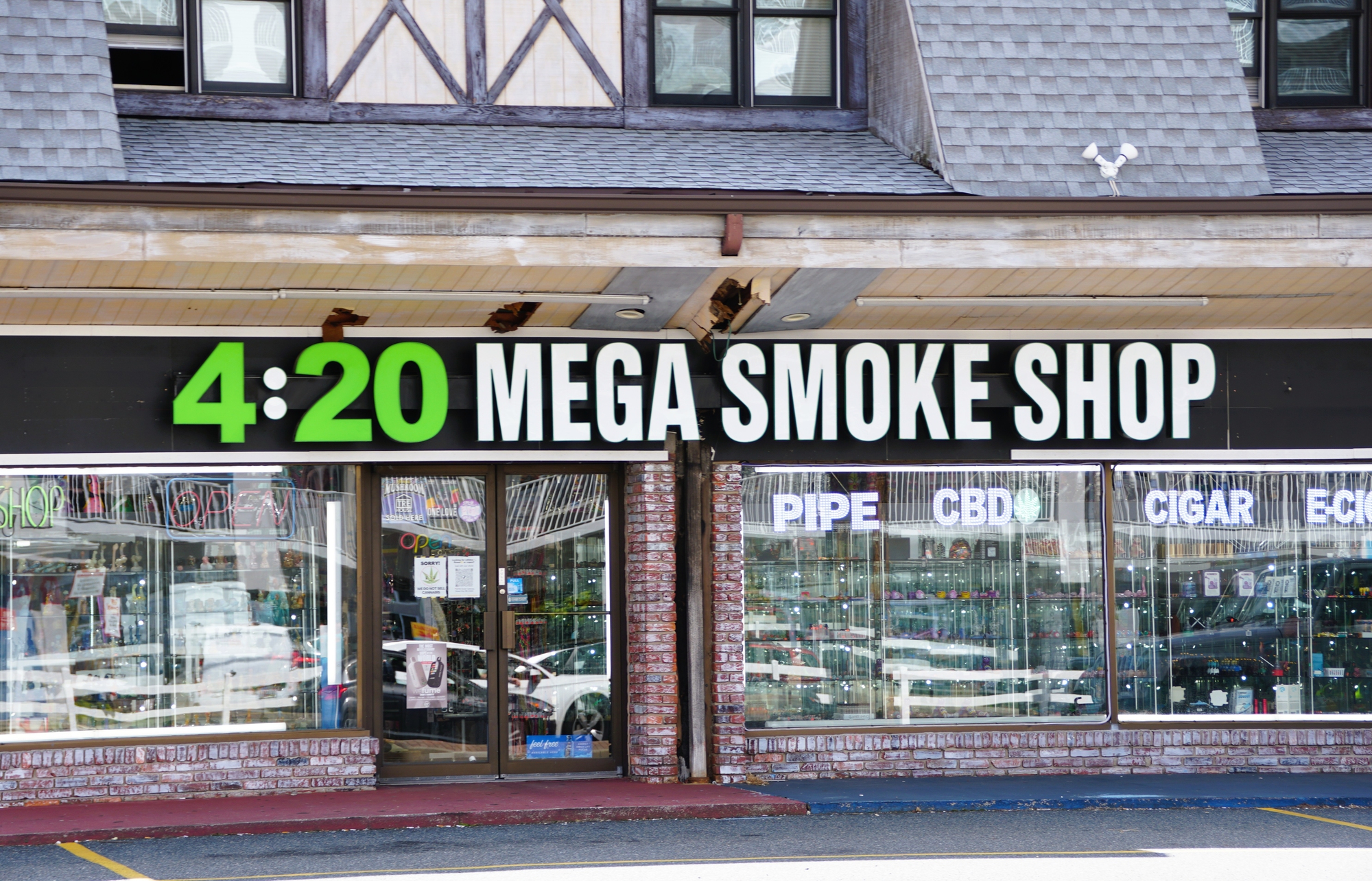
This article is for informational purposes only and does not constitute legal or business advice. Under U.S. federal law, marijuana remains a Schedule I controlled substance except for FDA-approved drug products and marijuana covered by a state medical marijuana license, which a DEA final rule moved to Schedule III effective April 28, 2026, so adult-use dispensaries remain federally unlawful regardless of state legalization frameworks, and dispensary operations are governed by state and local licensing programs. Nothing here should be read as legal advice or guidance on operating within any specific state cannabis program.
Every local SEO guide written for dispensaries promises the same destination: rank in the Google map pack, the three-business box that sits at the top of local results and captures the majority of clicks. The path is always the identical checklist, claim and optimize your Google Business Profile, keep your name, address, and phone number consistent across directories, gather reviews, build citations on Weedmaps and Leafly, publish location pages, add local schema. It is all correct, and it is all worth doing. But there is something the checklist never tells you, and it is the single most important fact about local search: one of the three factors that decides map-pack rankings cannot be optimized at all. Google ranks local results on proximity, relevance, and prominence. Relevance and prominence are the things SEO works on, your categories, your content, your reviews, your authority. Proximity is the physical distance between the searcher and your storefront, and it is fixed by your lease, not your marketing. You cannot optimize your way closer to a customer who is five miles away, and for that customer, a worse-optimized dispensary two miles away will often outrank you no matter how complete your profile is. This is the proximity ceiling, and understanding it changes everything about how a dispensary should think about local SEO, because it means the map pack is not one ranking you win or lose, it is a different contest for every searcher depending on where they are standing, and your reachable map-pack market is a geographic radius set the day you signed your lease. The guides that sell “rank number one in the map pack” without explaining this are selling a goal that is partly outside anyone’s control, and the dispensaries that understand the ceiling are the ones that stop wasting effort fighting geography and start winning the parts of local search where proximity does not apply, the organic results and AI answers that are decided by authority rather than distance. Operators thinking about that authority layer, including those weighing placement approaches like ALT Placements, are working on the lever that actually moves the rankings the proximity ceiling leaves on the table.
Why the Proximity Ceiling Defines Dispensary Local SEO
Google’s local algorithm rests on three pillars, and the difference between them is the whole story. Relevance is how well your business matches the search, driven by your categories, your content, and how completely you describe what you offer. Prominence is how well-known and trusted your business is, driven by reviews, citations, and the off-site authority that signals importance. Both of these are things you can work on. Proximity is the physical distance between the searcher and your location, and it is the one pillar that is set the moment you sign your lease. Google measures how far each business is from the person searching, using what it knows about their location when they do not share it, and businesses closer to the searcher rank higher when other factors are equal. You cannot move your storefront to follow your customers, and you cannot optimize the distance away.
The reason this matters so much is the weight proximity carries and the way it behaves. Surveys of local SEO practitioners consistently rank proximity among the most influential local ranking signals, and its real effect is larger than any single weighting suggests, because on mobile, where most “dispensary near me” searches happen, proximity can override other factors substantially. In practice, proximity can outweigh other ranking factors by a wide margin on mobile devices, which is exactly why a dispensary two miles from the searcher with fewer reviews routinely outranks a better-optimized competitor five miles away. And proximity is not a fixed ranking you can check once; it is recalculated for every searcher based on where they are standing. The same query from two people in the same city produces different map packs. This is the part the checklist guides obscure: they present the map pack as a single leaderboard you climb through optimization, when it is actually a distance-weighted result that reshuffles for every customer. The practical consequence is that your map-pack visibility has a natural geographic boundary. Within a realistic radius of your store, you can compete and win on relevance and prominence. Beyond that radius, proximity works against you so strongly that no amount of profile optimization reliably overcomes it, and the customers there will see closer competitors first. Recognizing where that boundary sits, and that it exists at all, is the foundation of a local strategy that does not waste effort, and it is precisely what the standard advice leaves out.
What Dispensary Local SEO Actually Has to Cover
A dispensary can use these eight working areas as the real scope of local search work, calibrated to the proximity ceiling rather than pretending it does not exist.
Authority placement coverage. Building the off-site authority that drives prominence, the one of the three local pillars with the most headroom, and that also wins the organic and AI results where proximity does not apply at all. Because cannabis cannot use paid channels, this earned authority is the scarcest and most decisive input, and it is the lever that lifts the rankings the proximity ceiling caps.
Maximizing share within your realistic radius. Concentrating relevance and prominence work on the geographic area where you can actually win, rather than spending effort chasing map-pack visibility in areas where proximity structurally favors competitors.
Google Business Profile optimization. The complete, accurate, active profile that is the price of entry for the map pack, the categories, information, photos, and posts that drive relevance within your radius.
Review acquisition and response. Reviews feed prominence and are often what differentiate closely proximate competitors, the deciding edge when two dispensaries are similar distances from the searcher.
Organic and AI-answer presence beyond the radius. Winning the results proximity does not govern, the organic listings and AI-generated answers where authority and relevance decide who appears, which is how a dispensary reaches customers outside its map-pack radius.
Citation and NAP consistency. The accurate, consistent listings across directories that prevent trust erosion, necessary hygiene even though it does not overcome distance.
Location pages done substantively. For multi-location operators, genuinely unique pages per store that let each location compete within its own radius, rather than thin templated pages that help nowhere.
Reporting that accounts for geography. Tracking rankings and conversions with awareness that map-pack position varies by searcher location, so performance is judged within the realistic radius rather than against an imaginary universal number-one ranking.
Why Most Dispensary Local SEO Underperforms
The guides ranking for this keyword share recurring blind spots, and most trace back to ignoring or misunderstanding the proximity ceiling. Naming them is more useful than repeating the checklist everyone already publishes.
Selling map-pack rankings as fully controllable. The dominant failure. Promising a dispensary it can “rank number one in the map pack” ignores that for any given searcher, proximity may hand the top spots to closer competitors regardless of optimization, setting an expectation that cannot be reliably met.
Spending effort outside the realistic radius. Chasing map-pack visibility in areas where the dispensary is too far from searchers to compete wastes resources on a contest geography has already decided, instead of dominating the area where the store can actually win.
Treating proximity as something to optimize. Some advice implies tactics can improve proximity; they cannot, after the location is set. Effort framed as “improving distance” is misdirected effort that should go to prominence and to the surfaces proximity does not govern.
Underbuilding prominence, the pillar with the most headroom. Because the checklist focuses on profile and citation hygiene, it underinvests in the off-site authority that drives prominence, which is both the most improvable local factor and the one that wins the non-proximity results.
Ignoring the results proximity does not touch. Fixating on the map pack overlooks the organic listings and AI answers where distance is not the deciding factor, the very surfaces through which a dispensary can reach customers beyond its map-pack radius.
Reporting against an imaginary universal ranking. Tracking a single map-pack position as if it were fixed misrepresents performance, because rankings legitimately differ by searcher location; good work inside the radius can look like failure against a number that was never achievable everywhere.
Problem, Cause, Solution, Outcome: A Worked Example
Take a dispensary that hired a competent agency and did the checklist properly. Its Google Business Profile is complete and active, its citations are clean, it has a healthy and growing set of reviews, and it publishes local content. Yet after months of work, foot traffic has plateaued, the owner sees the store ranking well for searches near the shop but invisible for searches just a few miles away, and the agency keeps promising the elusive consistent number-one map-pack position that never quite materializes across the city.
Problem. The dispensary is doing everything the guides recommend and has hit a ceiling it cannot understand, strong where it is close to searchers, absent where it is not, and unable to reach the citywide map-pack dominance it was promised.
Cause. The dispensary and its agency treated the map pack as a single leaderboard to climb through optimization, when it is a distance-weighted result that reshuffles for every searcher. The store ranks well within its realistic radius because there its relevance and prominence compete effectively, and it disappears outside that radius because proximity hands those searchers closer competitors no matter how good the profile is. The promised universal number-one ranking was never achievable, because proximity is not optimizable and varies by searcher. Meanwhile, the effort went almost entirely into profile and citation hygiene, the price of entry, while the off-site authority that drives prominence, and that wins the organic and AI results where proximity does not apply, was barely touched. So the dispensary maxed out the controllable parts of the map pack within its radius and left untouched the one lever that could extend its reach: authority.
Solution. Reframe the strategy around the ceiling. Accept the realistic radius and dominate it, concentrating relevance and review work where the store can win rather than chasing map-pack positions geography has already decided. Then shift the marginal effort into building genuine off-site authority, which does double duty: it strengthens prominence, the most improvable of the three local pillars, and it wins the organic listings and AI answers that reach customers beyond the map-pack radius, the customers proximity was preventing the dispensary from reaching at all. Because cannabis is a scrutinized category where manipulative tactics invite serious penalties, this authority has to be built credibly and on genuinely relevant sources, an approach examined in this look at how niche-relevant authority is built deliberately, and reinforced by the kind of durable, high-trust references discussed in this overview of authority from established, high-credibility sources.
Outcome. Realistic timelines matter. Authority placement on already-indexed, trusted domains can produce measurable traffic and foot-traffic movement in a 60 to 90 day window, because the publishing domains are already trusted. Building equivalent prominence purely through the dispensary’s own younger domain generally takes 9 to 18 months before commercial visibility emerges, with full compounding running 24 to 36 months, or roughly 12 to 18 months for a dispensary in a less competitive market. The dispensary that reframes around the ceiling stops chasing a citywide map-pack ranking that geography made impossible, dominates the radius it can actually win, and uses authority to reach, through organic and AI results, the customers proximity kept out of its map pack.
The Three Local Factors, Sorted by What You Can Actually Control
This is the section that fills the largest gap in the keyword, because no competing dispensary local SEO guide sorts the ranking factors by how much control you actually have over each. The table below maps the three pillars to whether you can move them, how much headroom each has, and what that means for where your effort should go. It is the framework the “rank number one in the map pack” pitch depends on you not seeing.
| Local ranking factor | Can you control it? | Where it applies | What to do about it |
|---|---|---|---|
| Proximity (distance to searcher) | No, fixed by your lease | Map pack, heavily; mobile most of all | Accept the ceiling; define your realistic radius |
| Relevance (match to the query) | Yes, fully | Map pack and organic | Optimize profile, categories, content; the price of entry |
| Prominence (authority and reputation) | Yes, the most headroom | Map pack, organic, and AI answers | Build off-site authority; the lever that extends reach |
| Organic results | Yes, via relevance and authority | Below the map pack, no proximity ceiling | Win here to reach customers beyond your radius |
| AI-generated answers | Influence via corroborated authority | Above the map pack increasingly, proximity-light | Build the credibility AI engines cite |
The pattern the pitch depends on you not noticing is that the one factor you cannot control, proximity, is the one that most limits the map pack, while the factor with the most headroom, prominence, is the one that both improves the map pack within your radius and wins every surface where proximity does not apply. So the rational allocation of effort is almost the opposite of what the checklist implies. The checklist pours energy into relevance and citation hygiene, the price of entry, and treats the map pack as the whole game, leaving the dispensary stuck against the proximity ceiling. The better approach accepts proximity as a fixed boundary, does enough relevance work to compete within the radius, and then concentrates marginal effort on the authority that drives prominence, because that is the only lever that both lifts the controllable part of the map pack and reaches the customers proximity locks out. A dispensary that internalizes this stops measuring itself against an impossible universal ranking and starts winning the contests it can actually win.
How to Evaluate Whether Your Dispensary Local SEO Is Calibrated
Run your current approach, or a prospective agency’s pitch, against these questions. Each targets a place dispensary local SEO commonly fails because of the proximity ceiling.
- Has anyone defined your realistic radius? If your strategy treats the whole city as winnable in the map pack, it ignores that proximity caps your reach at a geographic boundary.
- Are you being promised a universal number-one map-pack ranking? That is not achievable, because proximity varies by searcher; the promise signals a misunderstanding or a misrepresentation.
- Is effort going to prominence, not just hygiene? Profile and citation work is the price of entry; the off-site authority that drives prominence is where the headroom and the reach are.
- Are you competing for the results proximity doesn’t govern? Organic listings and AI answers reach customers beyond your map-pack radius and are decided by authority, not distance.
- Do your reviews give you the edge among close competitors? When proximity is similar, reviews often decide; this is where review work actually pays inside your radius.
- Does your reporting account for searcher location? A single tracked map-pack position is misleading; performance should be judged within the radius you can win.
- For multiple locations, is each page substantive? Thin templated location pages help nowhere; each store needs a genuine page to compete within its own radius.
- Is your authority-building compliant and durable? Manipulative tactics invite serious penalties in cannabis; the goal is credible authority that lifts prominence and the non-proximity surfaces.
Frequently Asked Questions
What is the proximity ceiling in dispensary local SEO?
It is the limit created by the fact that proximity, the physical distance between the searcher and your storefront, is one of the three factors Google uses to rank local results, and it is the one you cannot optimize. Your location is fixed by your lease, so for a searcher far from your store, a closer competitor will often rank higher in the map pack no matter how complete your profile or how many reviews you have. This means your map-pack visibility has a natural geographic boundary, a realistic radius within which you can compete and beyond which proximity works against you. The ceiling is not a failure of optimization; it is a structural feature of how local search weights distance, and recognizing it is the basis of a strategy that does not waste effort fighting geography.
Can a dispensary improve its proximity ranking factor?
Not after the location is set. Proximity is calculated from the distance between the searcher and your storefront, and you cannot move your store to follow your customers or optimize the distance away. The only point at which proximity is influenced is when choosing a location, where a central position in your target market helps. After that, the factor is fixed. This is why effort framed as “improving your distance” is misdirected. What you can do is accept proximity as a boundary, compete hard on relevance and prominence within the radius where you can win, and pursue the organic and AI-answer results where proximity is not the deciding factor, which is how you reach customers outside your map-pack radius.
How much does proximity actually affect local rankings?
Surveys of local SEO practitioners consistently rank proximity among the most influential local ranking signals, and no single weighting captures its practical effect. On mobile, where most “dispensary near me” searches happen, proximity can outweigh other factors substantially, which is why a closer dispensary with fewer reviews routinely outranks a better-optimized competitor that is farther away. Proximity is also recalculated for every searcher based on where they are standing, so the same query from two people in different parts of a city produces different map packs. The combination of meaningful weight and per-searcher recalculation is what creates the ceiling: distance reshapes the results for every customer, and you cannot optimize it.
If I can’t control proximity, is local SEO still worth it?
Yes, very much, but the effort has to go where it can actually move rankings. Two of the three local factors, relevance and prominence, are fully workable, and prominence in particular has the most headroom and the widest reach. Within your realistic radius, strong relevance and prominence let you win the map pack. Beyond that radius, the organic listings and AI answers, which proximity does not govern, let you reach customers distance would otherwise keep from you. So local SEO is worth it precisely because most of what decides your visibility is controllable; the mistake is pouring effort into the one factor that is not, or treating the map pack as the only surface that matters.
What should a dispensary prioritize given the proximity ceiling?
Two things. First, dominate your realistic radius by doing the relevance work, profile, categories, content, and the review work that gives you the edge among similarly close competitors. Second, and where most of the untapped opportunity sits, build the off-site authority that drives prominence. Authority does double duty: it strengthens your map-pack standing within the radius, and it wins the organic and AI-answer results where proximity does not apply, which is how you reach customers beyond your map-pack boundary. Because cannabis cannot use paid advertising, this earned authority is both the scarcest input and the highest-leverage one, since it is the only factor that both lifts the controllable part of the map pack and extends your reach past the proximity ceiling.
Why do my dispensary’s rankings look different depending on where I check from?
Because they genuinely are different. Google recalculates proximity for every searcher based on their device location, so your map-pack position is not a single fixed number, it varies with where the searcher is standing. Checking from inside your store will show stronger rankings than checking from across town, and both are real. This is why tracking a single map-pack position can be misleading, and why performance should be judged within the realistic radius you can actually win rather than against an imaginary universal ranking. It is also why a promise to rank you number one in the map pack everywhere in your city is not credible: there is no single ranking to hold, only a distance-weighted result that reshuffles for each customer.
How does off-site authority help if proximity is the problem?
Authority does not change your proximity, but it changes the rankings proximity does not control, and it strengthens the one map-pack factor with real headroom. Off-site authority drives prominence, which improves your standing in the map pack within your radius and is often what separates similarly close competitors. More importantly, it wins the organic results and AI-generated answers, surfaces where distance is not the deciding factor, so it lets you reach customers outside your map-pack radius entirely. In a category that cannot buy visibility through ads, building credible authority is the most effective way to extend your reach past the geographic boundary the proximity ceiling imposes, which is exactly the reach the standard checklist cannot deliver.
How long does dispensary local SEO take to produce results?
It depends on the approach. Authority placement on already-indexed, trusted third-party domains can produce measurable traffic and foot-traffic movement in a 60 to 90 day window, because the publishing domains are already trusted. Building equivalent prominence purely through your own younger domain generally takes 9 to 18 months before commercial visibility emerges, with full compounding running 24 to 36 months, or roughly 12 to 18 months for a dispensary in a less competitive market. Profile and review improvements within your radius can show movement faster, often within weeks to a few months, but extending your reach beyond the proximity ceiling through authority is the longer, more durable investment, and because paid channels are closed in cannabis, these organic timelines are the realistic ones.
Legal and Compliance Notes
This article is informational only and does not constitute legal or business advice. Outside FDA-approved drug products and state-licensed medical marijuana (moved to Schedule III by a DEA final rule effective April 28, 2026), marijuana remains a Schedule I controlled substance under U.S. federal law regardless of state legalization, and dispensary operations, advertising, and marketing are governed by state and local licensing programs that vary significantly and change over time. Major advertising platforms restrict or prohibit cannabis promotion, and aggressive or manipulative SEO tactics can carry serious penalties in this scrutinized category. Dispensary operators should consult qualified legal counsel and verify current state and local requirements before making marketing decisions. Nothing here constitutes legal advice or an endorsement of any specific service provider.